Access and Benefit-Sharing

Bart Van Vooren and Yuliya Gevrenova
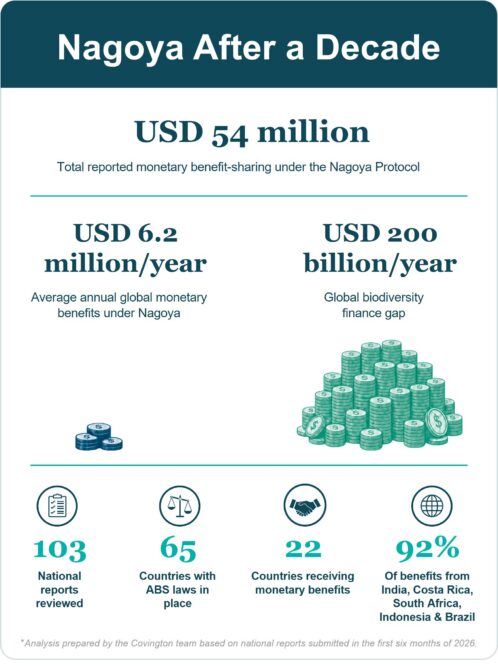
The Nagoya Protocol was adopted under the Convention on Biological Diversity (“CBD”) and is built on the idea that the commercial use of materials from nature (“genetic resources”) should translate into fair and equitable benefits for countries providing and protecting nature in their jurisdictions. 

Continue Reading The Numbers Are In: What Financing has the Nagoya Protocol Delivered for Biodiversity After a Decade?


Anderson Ribeiro, Aline Ferreira and Henryk Trelinski of Souto Correa Advogados contributed to the preparation of this article.

Foreign companies have long faced a practical challenge under Brazil’s access and benefit-sharing (“ABS”) regime: although registration obligations apply to activities involving Brazilian genetic heritage, foreign legal entities still cannot register

Continue Reading Brazil delays SISGEN 3.0 Foreign-User Functionality while Government Advances alternative pathway for foreign ABS Compliance


Over the past week, at the 79th World Health Assembly (“WHA”) in Geneva, governments have been debating one of the most consequential but still poorly understood elements of the World Health Organization (“WHO”) Pandemic Agreement that was adopted in May 2025: the Pathogen Access and Benefit-Sharing (“PABS”) System.  Since

Continue Reading The World Health Organization’s Emerging Pathogen Access System: Implications for Commercial Infectious Disease R&D


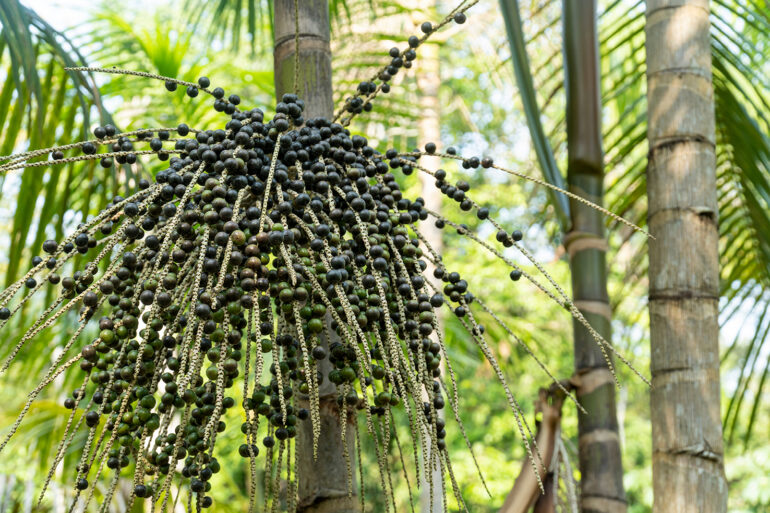
On January 8, 2026, Brazil published Law 15,330/2026, officially recognizing açaí berry as a Brazilian national fruit in a bid to protect it from so-called “biopiracy”, i.e., the illegal exploitation of genetic resources and traditional knowledge (“ATK”).  Açaí berry is a ‘superfood’ rich in nutrients which grows almost

Continue Reading Brazil declares Açaí a National Fruit: What Are the Real Practical Implications for EU Companies?

On January 17th, 2026, the Biodiversity Beyond National Jurisdiction (“BBNJ”) Agreement, also known as the “High Seas Treaty”, entered into force.  For the first time, companies that use marine genetic resources (“MGRs”) and digital sequence information (“DSI”) originating from areas beyond national jurisdiction may be required

Continue Reading Navigating the new UN High Seas Treaty: Key Compliance Risks for Life Sciences Companies

On November 5, 2025, the Spanish Ministry for Ecological Transition and Demographic Challenge (“MITECO”) adopted a Resolution setting out the National Plan for the control of compliance with access and benefit-sharing (“ABS”) obligations under Regulation 511/2014 implementing the Nagoya Protocol in the European Union.  The National Plan sets out a

Continue Reading ABS Enforcement Expected in Spain: Spain Adopted a National Plan to Enforce Access and Benefit-Sharing Rules


On July 7, 2025, the European Commission presented its Roadmap Towards Nature Credits, setting the blueprint for biodiversity certification in the EU. The Communication was also accompanied by a Q&A and a call for feedback by 30 September 2025.

Nature Credits: Practical Uses Across Sectors

In short, nature credits

Continue Reading An EU Biodiversity Market by 2027?  The new EU’s Roadmap towards Nature Credits

On April 29, 2025, China released a landmark draft of its first unified Environmental Code, now open for public consultation until June 13, 2025. The 2025 Draft Environmental Code (“Draft Code”) consolidates and elevates into a single legal instrument many of China’s environmental laws, but it also marks a

Continue Reading China’s Draft Environmental Code: Access and Benefit-Sharing for Chinese Non-Human Biological Resources – What Life Sciences Companies Should Know

Image Credit: World Health Organization

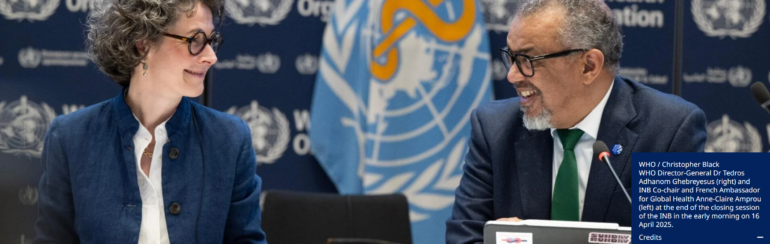
On 16 April 2025, Member States of the World Health Organization (WHO) concluded negotiations on a new international treaty: the Agreement on pandemic prevention, preparedness and response (“WHO Pandemic Agreement”). Set to be adopted at the May 2025 World Health Assembly, this landmark accord aims

Continue Reading What Companies Should Know About the WHO Pandemic Agreement

On February 26, 2025, the Cali Fund was officially launched.  Established by the 196 parties to the Convention on Biological Diversity (“CBD”), the Cali Fund invites pharma, cosmetics, food, AI, plant breeding, animal breeding, biotech, and other companies to “share monetary benefits” from uses of digital sequence information on

Continue Reading The Cali Fund and Why Legal Certainty Matters for Life Sciences R&D